|
|
|
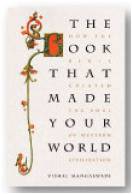
Rejection of the Bible and of biblical principles is precipitating the decline of America and Western civilization, according to Vishal Mangalwadi. He begins this book by addressing the "rage, anguish, hatred, despair, meaninglessness, and obscenity" found in the music of Kurt Cobain. Arguably a musical genius, Cobain was overcome by his own nihilism and committed suicide in 1994. The enduring popularity of his music demonstrates the loss of faith and purpose among many Americans. As a young man, Mangalwadi wondered how the West became so successful, while his own native India remained backward and in the "clutches of poverty." The Book That Made Your World shows the Bible as the root of all that is good in literature, science, education, and government. Belief that man is made in the image of God, that he has creative ideas, a soul, and free will radically changed the world and its inhabitants. During classical times, heroism was defined by the power to conquer and rule. In medieval times, physical strength and the skill to use weapons effectively were the criteria for heroism. Eastern religions "looked for bliss within their consciousness" and sought to shut out the world via mantras, meditation, and silence. Although the East started out ahead in mathematics, in certain inventions, and in medicine, the lack of belief that man was created in God's image left the East behind, while the West surged ahead. By contrast, "Christ's heroism prized truth. . . . Jesus made love the supreme value of the kingdom of God." It is these truths that have led to success in the West; governments that "speak for those who cannot speak for themselves"; and the inventions that relieve so many individuals from drudgery. The later widespread distribution of the Bible allowed individuals to read the word of God, which led to personal awakening in individuals who then fought against the wrongs of the governments. Mangalwadi's book is an overview of world history and of historical figures; it could be used to create a years-long reading list. (Thomas Nelson Publishers, 2011, 442 pp., $22.99) |
 His written examination of the subject dispels myths such as: "necessity is the mother of invention" and "all religions are the same." He says that while the classical Greeks and Romans had some noble ideas, the principle of human dignity, which is the cornerstone of civilized society, came directly from the Bible.

