|
|
|
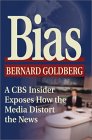
If you've ever harbored any suspicion that perhaps the mainstream media might just tilt a little left-of-center, Bernard Goldberg's new book should be next on your reading list. Conservatives have been complaining that the Rather, Jennings and Brokaw troika delivers its message like the Three Tenors - the pitch may vary, but the lyrics don't. Ditto for the legions of supporting actors on major newspapers, Time and Newsweek, and National Public Radio. What is different about this powerfully argued and exuberantly presented indictment of liberal bias is that its author was a long-time CBS insider: a self-proclaimed liberal who worked hand-in-glove with the powerful people who shape the way news is collected and disseminated. Goldberg provides fascinating examples of the dominant media's penchant for bending stories to their template and marketing them to the masses. Take homelessness. Consistently regurgitating "facts" and figures from homeless advocates, the major networks were reporting numbers like five million homeless by 1989, and predicting 19 million by the year 2000. The "heterosexual AIDS crisis" of the 1980s is equally instructive. Story after story warned an increasingly panicky nation that AIDS was coming after all of us. Our friends, neighbors and spouses were all at terrible risk from the new Black Death. Goldberg details how the media sought out AIDS victims who looked a lot like the people in their target audience. The media deployed less effort in explaining just how all these normal people ended up with AIDS. Inevitably, it became obvious that we weren't "all" at risk. But the stories had been run and the advertising revenue banked - on to the next crisis. Then there was the Flat Tax, which proved to be Goldberg's undoing. In 1996, Dan Rather's news program aired a segment by Eric Enberg, well known for his "Reality Check" segments that purport to unearth falsehoods put out by politicians. It snidely trashed Steve Forbes's signature idea as "wacky," and liberal advocates disguised as centrists provided commentary to complete the hit piece. This was too much for Goldberg, who worked with Rather in the news division. He went public in the Wall Street Journal with his concerns about how the media were distorting Forbes's plan and ridiculing him in the process, things that wouldn't be allowed to happen to, say, Hillary Clinton. He pointed out the obvious, that the news media are predominantly liberal. No conspiracy was needed - everybody just had the same worldview. The media elite reacted with rage, disbelief and denial. Bob Schieffer, Washington correspondent for CBS, called it "a wacky charge…bizarre." Andrew Heyword, head of CBS's News Division, worried about "residual pain and suffering" caused by Goldberg's article. Tom Brokaw was "bemused." Dan Rather called the idea of liberal bias a "myth," and never spoke to Goldberg again. The networks usually love whistleblower stories - but they weren't anxious to cover this one. In due course, Goldberg was eased to the sidelines, and he left CBS in May of 2000. In the world of CBS, where The Dan reigns, comments concerning the emperor's clothes must always be tasteful. Otherwise, you'll be treated like a traitor. Bernard Goldberg has written a brave book from the belly of the beast, and has paid a heavy price for his decision. But as he points out, major news channels are losing their audiences at alarming rates. They ignore his clarion call at their peril. (Regnery, 2001, 234 pps., $27.95) |
 The cause, as we were relentlessly reminded, was Ronald Reagan's "slashing" of the safety net. Little was said about the root causes - drug use and mental illness on the part of people who refused to be helped. Fortunately, as Goldberg shows by an analysis of homeless stories published in the 1980s and 1990s, the great homeless problem somehow miraculously disappeared when the media's soulmate, Bill Clinton, assumed office.

