|
|
|
In this wonderfully entertaining history of the conservative movement in America during the second half of the 20th century, Alfred S. Regnery tells both an up-close and wide-ranging story. From his vantage point as author, publisher, confidant and enabler, he was in a perfect position to watch the unfolding of the Right both in its formative years and its later ascendancy. Regnery personally knew most of the great figures of the movement, and his memories are acute and incisive. Students of conservatism will be familiar with some of the ground covered, but everyone will find fascinating facts and anecdotes. How many economic conservatives know, for example, of the conversion of the old liberal warrior, Hubert Horatio Humphrey? Strange but true, he admitted to conservative Paul Laxalt at the end of his career that the free market was superior to government at solving economic problems, a proposition that he had fought against during his entire political career. Some remember the John Birch Society as a fringe group, but its founder, Robert Welch, was no fool. He was a child prodigy who entered college at the age of twelve and later quit Harvard Law School to make a fortune in the candy business. He was an early and strong opponent of communism and socialism who became very influential in grassroots organization. In the course of a concise but thorough review of the federal courts over the last half-century, Regnery provides the answer to a question that has haunted conservatives for years: how did Jimmy Carter appoint so many judges? It turns out that through legislation passed in 1972 but delayed in implementation by Democrats for a couple of years, Carter got the right to appoint 152 new judges, more than a third of all sitting federal judges. Regnery covers the founding of such conservative bastions as the Mont Pelerin Society by Hayek, von Mises and Friedman (and tells the hilarious anecdote of von Mises storming out of one meeting shouting to the others that they were a bunch of socialists). In addition, he covers the history of many extremely influential organizations such as the Federalist Society, Young Americans for Freedom and the National Review. As a friend and confidant of William F. Buckley, Regnery is able to give an up-close view and share personal stories. Anyone interested in the long march of conservatism over the last half-century will find this book indispensable and very hard to put down. (Simon & Schuster, 2008, 365pp, $26) |
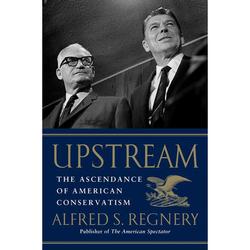 He also has an encyclopedic knowledge of the institutions that produced or were created by those memorable figures, so the book is a complete history of the movement at many levels.

