|
|
|
Nationally syndicated radio host and best-selling author Laura Ingraham doesn’t believe in gloom and doom. If we really want to improve American culture, we need to shake off our lethargy and get involved in the culture war. There’s much to be depressed about in American politics and culture today. Entertainment moguls spread trash, the public schools are inadequate, Christianity is "politically incorrect." Ingraham reads like a calmer version of Ann Coulter. Unabashedly pro-God, pro-family, and pro-America, Power to the People piles up outrageous accounts of liberal elites trying to impose their agendas onto ordinary people. Public schools want to hand out birth-control pills to eleven-year-olds. Two mothers of one child apiece express astonishment at seeing one woman with five children in tow. Politicians don’t dare say anything negative about Islam even though one-third of second-generation Muslim immigrants in England support the death penalty for Muslims who convert to other religions. The list goes on. The best way to address our grievances, Ingraham contends, is by getting involved in government at the local level. It’s a mistake to expect the federal government to fix all our problems: Washington politicians usually don’t know what’s best for, say, small towns in Ohio. But we can’t tell them to stay out of our business until we commit ourselves to addressing local problems. Our courts have forgotten their duty to practice judicial restraint, perhaps most corrosively in "pleading the First" to prevent us from cleaning up the culture. The founding fathers didn’t write the First Amendment to protect pornography. If we don’t like the stuff shown on TV and the Internet, we must elect politicians committed to choosing good judges—and we should stop watching the bad stuff ourselves. Ingraham covers a lot of territory—immigration, public schools, pop culture, life issues, and national defense—but she has one simple point. If we want our families to stay strong, and if we want America to stay strong, we must remain true to the values that sustain them. We cannot remain free without a commitment to virtue. Many writers from the Founding Fathers to the present have repeated this idea over the years, but Ingraham distinguishes herself by her witty style and thoroughgoing defense of the family, the central political unit of society. What’s the best way to improve our country? "It is not enough for us to defend American soil or to maintain a thriving economy. It will all be in vain if we fail to nurture and refresh America’s soul. That is only possible through individual belief demonstrated through action." (Regnery Publishing, Inc., 2007, 372 pp, $27.95) |
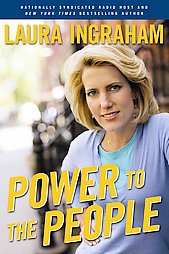 Out-of-touch politicians make most of our decisions for us, and as long as we let them, they’re going to erode traditional American values. But we shouldn’t just be grousing—we can do something about it!

